English
Why English Matters to Us
As the English Team, we each bring personal experiences that shape our passion for the subject. One of us grew up with a mum who was a librarian, filling childhood with stories and sparking a lifelong love of books. Another studied languages at university, developing a deep understanding of communication and a real passion for grammar—recognising how structure, vocabulary and expression shape the way we connect with others. One team member discovered their voice through the performing arts, learning the power of expression and storytelling, while another has written professionally for newspapers, relying on clear, accurate and purposeful writing every day.
Together, these experiences show us just how vital English skills are. Phonics and reading open doors to knowledge and imagination; writing enables children to express themselves clearly; oracy builds confidence and communication; and handwriting and spelling provide the foundations for fluent, accurate work. Together, these skills help our pupils thrive, belong and achieve. We know from our own lives how transformative English can be and we are committed to nurturing that same love of language in every child.
Subject Leads - Miss Laura Linden (KS1) and Mrs Kat Robison (KS2) PHONICS LEAD - MS JEN MCCALL
READING LEAD - MRS SARAH WALLACE
ORACY LEADS - MISS LAURA LINDEN AND MRS LAURA FELL
Reading
INTENT
At Cullercoats Primary School, our intent is to ensure every child becomes a confident, fluent reader who enjoys reading and understands its value for learning and life. We aim to create a culture where reading is celebrated and embedded across the curriculum. Our approach builds strong foundations in phonics and fluency in EYFS and KS1, then develops comprehension and critical thinking through exposure to high-quality, ambitious texts in KS2. By the end of Year 6, pupils will:
· Read fluently and with expression across a range of genres.
· Apply comprehension strategies to infer, analyse, and evaluate texts.
· Draw on a rich literary background to inspire writing and creativity.
· Continue their journey as lifelong readers who read for pleasure and purpose.
IMPLEMENTATION
Our reading curriculum is structured and progressive:
Early Reading and Phonics
· Daily phonics lessons in EYFS and KS1 follow Floppy’s Phonics, a systematic synthetic phonics programme. Lessons include reviewing prior sounds, introducing new material in small steps, and practising blending and segmenting.
· Children progress through six phonics phases, from Phase 1 in Nursery to Phase 6 by Year 2.
Transition to KS2
· Whole-class phonics continues in Year 3 to secure foundations before moving to comprehension-focused sessions. Targeted interventions support pupils who need additional help.
Developing Fluency and Comprehension
· In KS2, pupils transition from “learning to read” to “reading to learn.” Whole-class reading sessions immerse all pupils in high-quality texts, promoting discussion and reasoning. Mixed-attainment pairs and group talk ensure inclusive participation.
Reading Schemes and Home-School Links
· EYFS and KS1 use Oxford Reading Tree and complementary schemes such as Bug Club and Heinemann, organised by Book Bands. KS2 continues with Oxford Reading Tree, Rising Stars, and free-choice books.
· Parents are engaged through home reading books, reading challenges, and events like the Read for Good Readathon.
Reading for Pleasure
· We celebrate reading through book clubs, library visits, author workshops, World Book Day, National Storytelling Week, and regular reading challenges. Our classrooms and outdoor spaces are vocabulary-rich environments with books linked to topics and interests.
Rosenshine’s Principles in Practice
· Begin lessons with a short review of previous learning.
· Present new material in small, manageable steps.
· Model fluent reading and comprehension strategies.
· Use questioning to check understanding and deepen thinking.
· Guide practice through paired and group discussion before independent tasks
IMPACT
Through this approach, pupils:
· Achieve strong outcomes in statutory assessments and demonstrate progress in phonics, fluency, and comprehension.
· Read confidently and apply skills across the curriculum.
· Show enthusiasm for reading, evidenced by participation in reading events and independent book choices.
· Benefit from strong home-school partnerships that reinforce reading beyond the classroom.
Book Recommendations
We’re passionate about books and reading and hope you enjoy the beautiful stories we have chosen for you. Have a browse and you’ll find all sorts of books from magical adventures to inspiring individuals to stories set in different cultures – there’s something for everybody!

So many fabulous book recommendations here for each year group.
You can also find lists of “If you loved this book, you might like these…” plus recommended poetry, graphic novels, picture books and non-fiction. Keep popping back to this great website as there are also monthly recommendations.
Please click here to visit The Reader Teacher website

Hundreds of great non-fiction recommendations, organised by topic and subject.
Everything is here from Maths and Minibeasts to Transport to Tudors. There is also a Reading for Pleasure section. The lists are updated regularly.
Please click here to visit the Books for Topics website

An initiative from The Reading Agency, this Reading Well book list includes titles to support children’s mental health and wellbeing.
Books have been chosen and recommended by leading health professionals and co-produced with children and families.
Please click here to visit the Reading Well website
Writing
INTENT
At Cullercoats Primary School, our English Writing curriculum is designed to inspire, motivate and enable all pupils to become confident, proficient and creative writers. In line with the English National Curriculum and the 2025 Ofsted Framework, our intent is to provide a coherent, knowledge-rich and progressive curriculum that ensures every child develops the transcriptional and compositional skills needed for successful writing.
We aim for pupils to:
-
Develop a secure understanding of key writing skills, including vocabulary, grammar, punctuation, spelling and handwriting.
-
Compose writing for a range of audiences and purposes across fiction, non-fiction and poetry.
-
Build confidence, stamina and independence as fluent writers.
-
Learn to plan, draft, revise and edit their writing effectively.
-
Experience a language-rich curriculum in which high-quality texts, spoken language and vocabulary development are central.
-
Use their cultural capital and lived experiences as a springboard for creativity.
Our curriculum is planned using Local Authority guidance and Talk for Writing principles to ensure purposeful and meaningful writing experiences. In Reception, Drawing Club supports early imagination, language acquisition and mark‑making, building the foundations for later writing.
IMPLEMENTATION
Our teaching across the school is underpinned by Rosenshine’s Principles of Instruction, ensuring that learning is broken into small steps, supported by daily review, explicit modelling, guided practice, regular checking for understanding, and opportunities for independent practice. These principles strengthen pupils’ retention, fluency and confidence in writing.
As a Voice 21 Oracy School, spoken language underpins all writing; pupils rehearse ideas through structured talk, discussion and drama where appropriate to the writing task. While some staff have already received training, full implementation is a work in progress. We recognise the importance of oracy and are committed to embedding Voice 21 strategies consistently across the school, with the aim of achieving full rollout during the coming academic year.
Our Writing curriculum is enriched through carefully planned trips, visits and cultural experiences that provide meaningful contexts for writing and inspire creativity. These experiences include local area studies, museum visits, beach explorations and opportunities to meet real experts. For example, pupils visit a climbing wall to produce writing in different genres, the Tynemouth Volunteer Life Brigade Museum to write a newspaper report about a local hero and Zoolab sessions with exotic animals to create recounts. Rockpooling trips lead to non-chronological reports, while visits to the Hancock Museum support writing about African animals. At Segedunum, pupils contextualise their writing and make cross-curricular links, and at the Oriental Museum they write explanation texts such as a guide to mummification. Cross-curricular writing is embedded across foundation subjects, and in Reception children write letters and explore the journey of a letter. These experiences are intentionally planned to broaden pupils’ background knowledge, enrich vocabulary and inspire high-quality writing.
Our Writing curriculum is delivered through carefully sequenced units that build pupils’ skills progressively from EYFS to Year 6. Each year group completes a balanced range of fiction, non-fiction and poetry outcomes, ensuring full curriculum coverage and continuity.
Curriculum Design
Our Writing curriculum is structured through a layered approach to planning, ensuring breadth, depth and progression:
-
Yearly Overviews: These outline the writing topics for each year group, specifying whether units focus on fiction, non-fiction or poetry. Genres are mapped across the year to guarantee a balanced and comprehensive coverage of text types.
-
Termly Overviews: These provide greater detail about the content of each writing unit, including the specific genres and themes to be taught. They ensure that teaching sequences are purposeful and connected to wider curriculum experiences.
-
Skills Mapping Documents: For every year group, we have detailed mapping documents that identify:
- The genre and text focus for each unit.
- The intended writing outcome.
- The vocabulary, grammar and punctuation objectives embedded within each unit.
- The progression of skills across the year and key stages, ensuring continuity and challenge.
- The transcriptional elements, including spelling patterns and handwriting objectives, taught systematically each half term.
This structured approach guarantees that pupils experience a coherent curriculum where writing skills are explicitly taught, revisited and built upon over time. It ensures that transcriptional and compositional elements are integrated effectively, supporting pupils to become fluent, confident writers. By mapping genres, skills and transcriptional objectives across all phases, we secure progression and consistency, enabling pupils to meet and exceed age-related expectations.
Alignment with the DfE Writing Framework (2025):
Our layered planning approach reflects the principles outlined in the Department for Education’s Writing Framework, which provides evidence-based guidance for teaching writing across EYFS, Key Stage 1 and Key Stage 2. The framework emphasises:
-
Early foundations in oral composition and transcriptional skills.
-
Explicit teaching of sentence structure and grammar within meaningful contexts.
-
Quality over quantity, focusing on fewer, well-crafted pieces of writing.
-
Integration of spoken language to support writing fluency.
-
Leadership and whole-school writing culture.
-
Targeted support for pupils who struggle with writing.
By embedding these principles, our curriculum ensures pupils develop both transcriptional and compositional skills in line with national expectations, preparing them for the demands of Key Stage 3 and beyond.
Teaching & Learning Approach
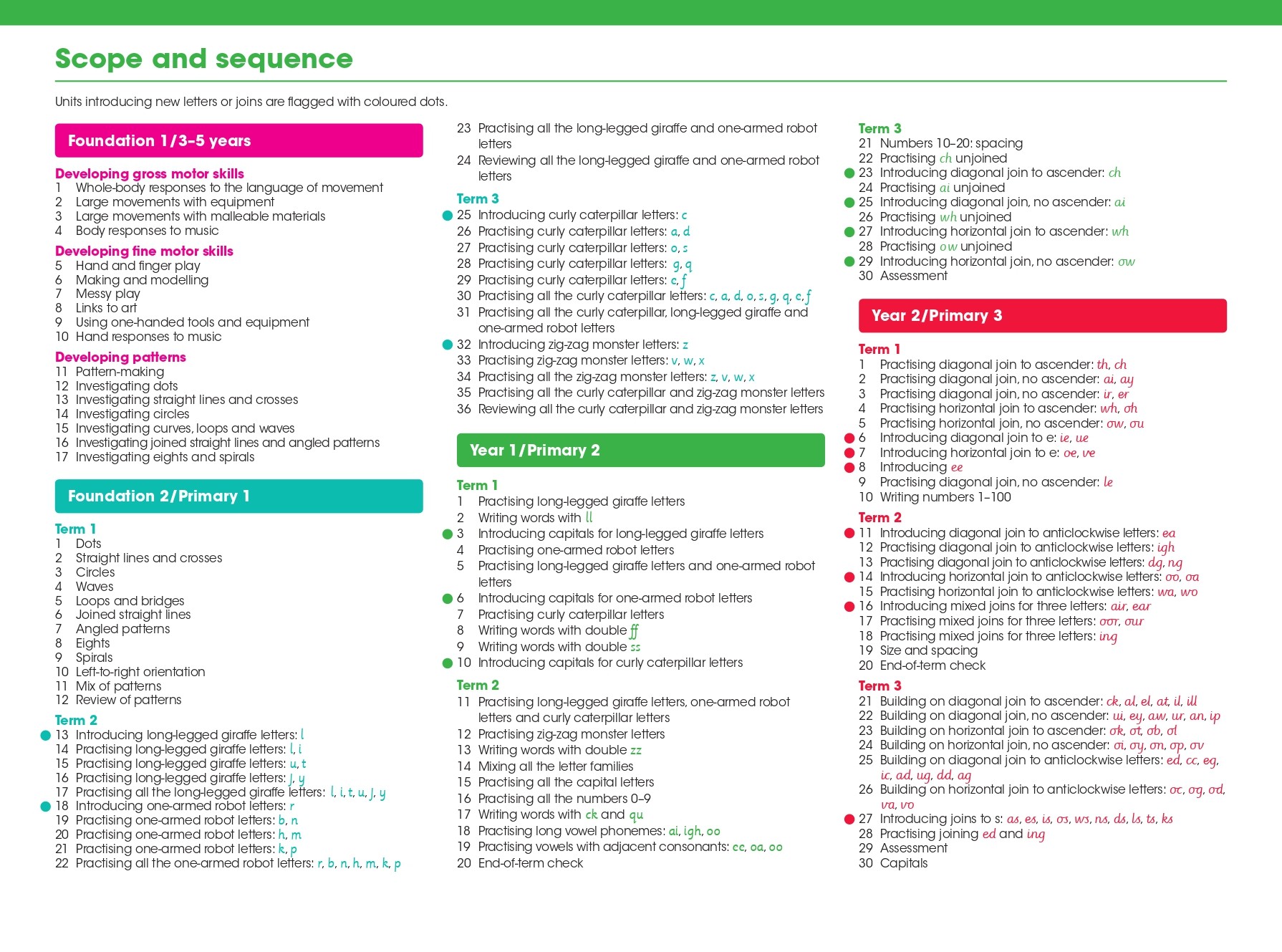
We follow the Penpals Handwriting Scheme from Nursery to Year 6 to ensure consistent progression in letter formation, pencil grip, fluency and handwriting stamina across EYFS and KS2. Penpals lessons are taught discretely and reinforced through daily writing activities.
Handwriting and spelling are taught explicitly and systematically across the school, ensuring pupils develop accuracy, fluency and independence in their transcription skills.
Teachers:
-
Use high-quality model texts to explore structure, language and themes.
-
Integrate oral rehearsal, drama and vocabulary teaching to strengthen pupils’ ideas and sentence construction.
-
Explicitly teach grammar and punctuation in context to enhance writing authenticity.
-
Model writing regularly, demonstrating the writer’s craft and revising process.
-
Provide scaffolded support such as word banks, sentence stems, writing frames and guided groups.
-
Ensure pupils edit and improve their writing through structured editing lessons.
Assessment
-
As a Voice 21 Oracy School, teachers use structured talk and oral rehearsal to assess pupils’ understanding before writing.
-
We hold regular in-school writing moderation sessions across year groups and phases to validate teacher judgements.
-
For spelling, we use GL Spelling assessments, enabling staff to track progression and identify gaps in phonological and orthographic knowledge.
-
Assessment is also used to identify pupils working beyond age-related expectations, ensuring adaptive teaching caters for both vulnerable learners and higher-attaining pupils within each year group.
-
Formative assessment is embedded within lessons; teachers provide precise feedback and responsive teaching.
-
Summative assessments use the Local Authority Writing Framework and National Curriculum expectations.
-
Moderation takes place across year groups, phases and with external partners to ensure accuracy.
IMPACT
The impact of our Writing curriculum is measured through outcomes, attitudes and progress.
Pupils at Cullercoats Primary School:
-
Make strong progress from their starting points and achieve well in writing at each key stage.
-
Demonstrate secure knowledge of grammar, spelling and composition appropriate to age‑related expectations.
-
Produce writing that is purposeful, coherent and well‑structured across a variety of genres.
-
Develop as enthusiastic, reflective and resilient writers who can articulate their ideas clearly.
-
Leave Year 6 well-prepared for the writing demands of secondary school.
Evidence of Impact
-
High-quality writing showcased in books and published displays across the school.
-
Pupil voice evidencing enjoyment, confidence, and pride in writing achievements.
-
Consistent outcomes aligned with Local Authority moderation findings, ensuring accuracy and rigor.
-
Improved writing stamina, independence, and accuracy demonstrated across the curriculum.
-
Seesaw Celebrations capturing the practical elements of English teaching and learning, including:
- Early writing skills in Nursery and Reception, such as mark-making, storytelling, and emergent writing, shared with families to celebrate progress.
- Oracy development in Year 1, where pupils verbally retell their own versions of Brown Bear, Brown Bear, showcasing creativity and spoken language skills.
- Ongoing documentation of pupils’ writing journeys, enabling authentic evidence of progress and engagement.
This Intent, Implementation and Impact statement underpins all curriculum documentation for English Writing at Cullercoats Primary School and ensures that our approach remains ambitious, inclusive and aligned with national expectations.
Handwriting
INTENT
At Cullercoats Primary School, our intent is to ensure that every child develops excellent handwriting skills that will serve as a strong foundation for their future academic success. We believe that handwriting is a vital skill that not only supports effective communication but also enhances cognitive development and fine motor skills. Our aim is for every pupil to develop legible, fluent, and consistent handwriting that reflects their individual style while adhering to the conventions of British English. Every child at Cullercoats Primary School will follow the Penpals handwriting scheme which ensures progression through five developmental stages. From the early development of gross and fine motor skills to confident letter formation, accomplished joins and a fast, fluent, legible and personalised style, Penpals will significantly improve all areas of handwriting at Cullercoats Primary School.
IMPLENTATION
Clear Expectations and Consistent Teaching
-
We have created a handwriting policy that outlines clear expectations for handwriting standards across the school.
-
Our teachers receive regular training and professional development to ensure consistent and effective teaching of handwriting techniques.
-
Using the Penpals Handwriting Scheme, we use a systematic approach, starting with pre-writing exercises, and progressively teaching letter formation, sizing, spacing, and joining techniques.
-
We provide engaging and differentiated resources that cater to the diverse needs of our learners, including additional support for those with special educational needs or disabilities.
Integration with the Curriculum
-
Handwriting is taught daily in standalone sessions. These sessions last a minimum of 10 minutes and follow the Penpals progressive scheme – Nursery to Year 6.
-
Handwriting is also integrated within the wider curriculum to provide meaningful and purposeful opportunities for practice and application.
-
We explicitly teach handwriting across subjects such as English, History, Geography, Science, and Art, emphasising the relevance and importance of legible handwriting in different contexts.
-
Pupils are encouraged to use their handwriting skills when presenting work, creating displays, or engaging in group activities, fostering a sense of pride and ownership.
Modelling and Scaffolded Practice
-
Our teachers model correct letter formation and handwriting techniques during whole-class instruction, providing students with clear visual examples to follow. At CPS, we follow the Penpals handwriting model.
-
Scaffolded practice is implemented through a gradual release of responsibility, allowing students to progress from guided practice to independent writing tasks.
-
Handwriting skills are reinforced through daily short handwriting sessions, which focus on specific areas for improvement or consolidation.
Personalised Feedback and Support
-
We provide regular, constructive feedback on handwriting through ongoing monitoring, teacher-led assessments, and self-assessment opportunities.
-
Students receive personalised targets and strategies for improvement, with guidance on how to evaluate and refine their own handwriting.
-
Additional support is offered to pupils who are struggling with their handwriting, including one-to-one intervention or individualised handwriting programs, if necessary. These would be recommended by the school’s SENCO or OT.
Engagement and Celebration
-
We create a positive and stimulating handwriting environment that promotes engagement and motivation. The Penpals scheme uses interactive resources and videos to engage learners of all ages and abilities.
-
The use of multi-sensory resources, such as tactile materials or digital tools (Penpals), is integrated to engage different learning styles.
-
We celebrate and showcase excellent handwriting through displays, certificates, and school-wide initiatives, fostering a sense of achievement and pride in students' progress.
IMPACT
Our approach to handwriting will result in a significant impact on our pupils' learning and development:
-
Achievement: The majority of our pupils demonstrate clear progress and meet or exceed age-related expectations in handwriting.
-
Consistency: Our pupils consistently exhibit legible, fluent, and consistent handwriting across all subject areas and written tasks.
-
Confidence and Independence: Pupils show increased confidence in their ability to produce high-quality written work independently.
-
Engagement: Handwriting sessions and activities are eagerly anticipated, and students actively participate in improving their handwriting skills.
-
Transferable Skills: Improved fine motor skills developed through handwriting positively impact other areas of the curriculum, such as art or science experiments.
-
Celebration of Achievement: The celebration of excellent handwriting promotes a positive ethos at our school, motivating pupils to continually improve their skills.
Through our outstanding implementation of handwriting strategies, we ensure that our pupils develop the essential skills and confidence needed for successful communication and academic success, while fostering a love for the written word.

Oracy
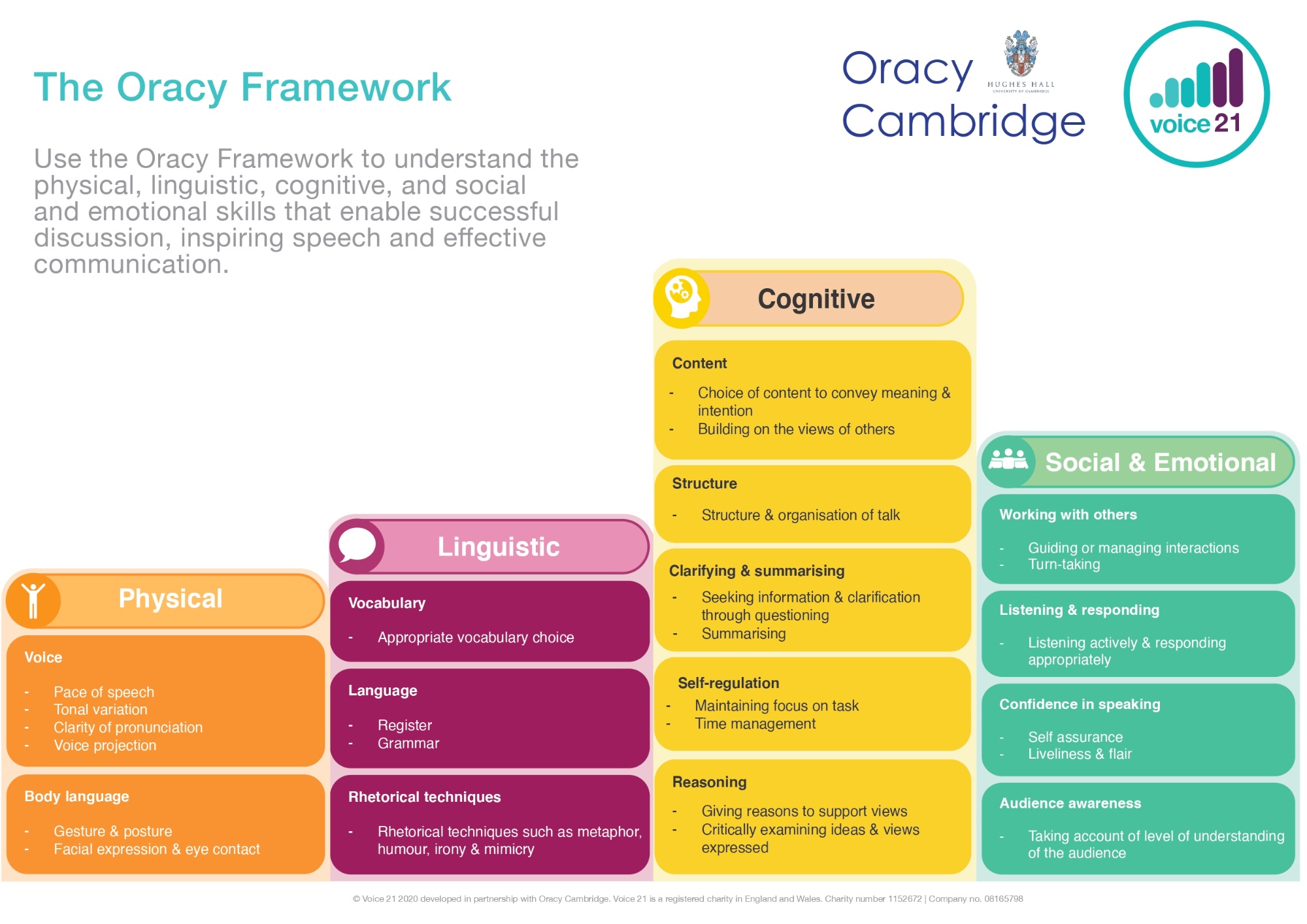
What is Oracy and Why Is It Important to Cullercoats Primary School Children?
Oracy refers to the ability to express oneself fluently and communicate effectively through spoken language. It encompasses various skills, including speaking, listening, and understanding, which are crucial for children's cognitive, social, and emotional development.
At Cullercoats Primary School, we believe oracy is essential because it:
-
Enhances learning: Speaking and listening help children process information and develop their understanding of different subjects.
-
Builds confidence: Encouraging children to speak in front of others boosts self-esteem and prepares them for public speaking and group discussions.
-
Develops social skills: Through effective communication, children learn to interact with peers, resolve conflicts, and build relationships.
-
Supports literacy: Strong oral skills are closely linked to reading and writing abilities, helping children become more proficient in all areas of language.
-
Helps children succeed throughout their lives: Oracy equips children with essential communication skills that are critical for success in secondary education, higher education, and the workplace. Effective speaking and listening enable them to collaborate, present ideas, and adapt to different social and professional settings as they grow.
As part of the Voice 21 Oracy project, Cullercoats Primary School is committed to embedding these crucial skills across our curriculum, ensuring every child becomes a confident and articulate communicator.
What Is Exploratory Talk and How Can It Be Planned for and Developed in Cullercoats Primary School?
Exploratory talk is a form of discussion where children engage in open-ended conversations to explore ideas, reason together, and build on each other's thoughts. It’s characterised by questioning, clarifying, and considering multiple perspectives, fostering deeper understanding and critical thinking.
To plan for and develop exploratory talk at Cullercoats Primary School, we can:
-
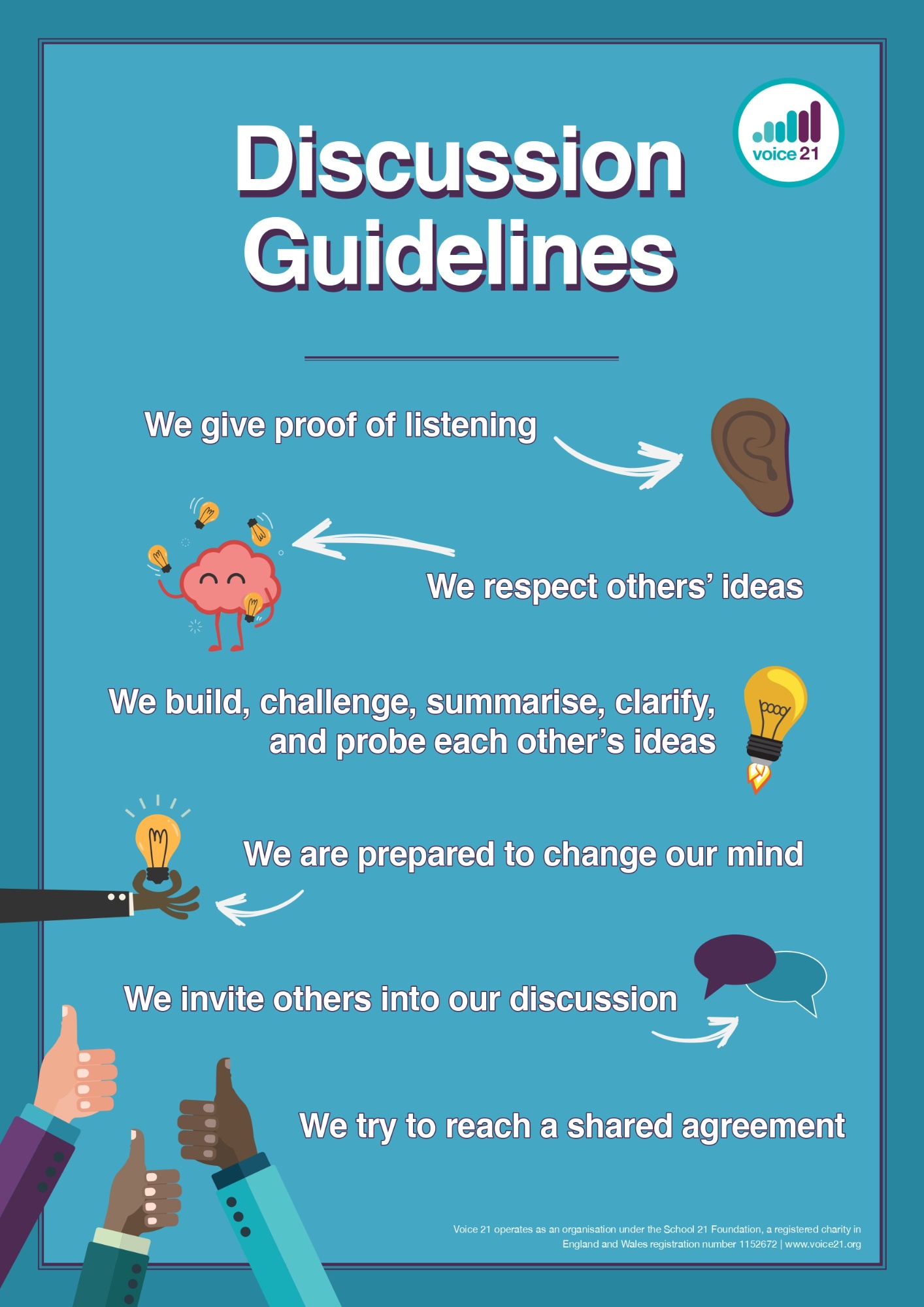
Create a supportive environment: Establish clear rules for respectful listening and speaking, ensuring that all voices are heard and valued.
-
Model good practice: Demonstrate how to engage in exploratory talk by thinking aloud, asking questions, and showing how to build on others’ ideas.
-
Use structured activities: Implement tasks like group discussions, debates, and problem-solving challenges that require students to articulate their thoughts.
-
Provide sentence stems: Offer phrases like "I think that... because," "What do you mean by...?," or "Can you explain further?" to guide discussions and encourage deeper engagement.
-
Reflect on discussions: After group activities, have children reflect on how they communicated and what they could improve, reinforcing the value of thoughtful dialogue.
Can Oracy Be Taught in a Way That Values Every Voice at Cullercoats Primary School?
Yes, oracy can be taught in a way that values every voice by:
-
Promoting inclusivity: Ensure that every child, regardless of their background or ability, has opportunities to speak and be heard. This can be achieved by setting up small group activities, turn-taking systems, and safe spaces where children feel comfortable sharing their thoughts.
-
Differentiating support: Tailor activities to suit the varying needs of students, such as providing additional support for children who may be shy, have speech difficulties, or are learning English as an additional language.
-
Encouraging a culture of respect: Foster an environment where every contribution is respected, and students are taught to listen actively and respond thoughtfully to their peers.
-
Celebrating diversity: Use topics and materials that reflect the diverse backgrounds and experiences of the school community, making discussions more relatable and meaningful to every child.
By integrating these practices and with the support of the Voice 21 Oracy project, Cullercoats Primary School ensures that oracy instruction is inclusive, empowering all children to develop their voices and participate confidently in our school community.
Phonics
Cullercoats Primary School is committed to ensuring that every child becomes a confident and fluent reader. We use Floppy’s Phonics Oxford, a Department for Education (DfE) validated systematic synthetic phonics (SSP) programme, to deliver high-quality phonics teaching in line with national expectations.
INTENT
Our intent is to provide a rigorous, structured approach to early reading and writing that enables all pupils to develop secure phonics knowledge. Through Floppy’s Phonics Oxford, we aim to:
• Ensure fidelity to a validated SSP programme.
• Equip pupils with the skills to decode and encode words confidently.
• Foster a love of reading through engaging resources and texts.
• Close gaps in attainment and support all learners, including those who require additional intervention.
IMPLENTATION
At Cullercoats Primary School, phonics is taught daily in Reception and Key Stage 1 following the Floppy’s Phonics Oxford progression. Key features of implementation include:
• Daily, discrete phonics lessons delivered by trained staff.
• Use of high-quality resources including teaching handbooks, interactive eBooks, flashcards, and decodable readers.
• Regular assessment to monitor progress and inform targeted support.
• Home-school links through Oxford Owl online resources to reinforce learning.
IMPACT
The impact of our approach is evident in improved outcomes in the Year 1 Phonics Screening Check and increased pupil confidence in reading and writing. Pupils demonstrate secure knowledge of grapheme-phoneme correspondences and apply these skills across the curriculum. Our phonics provision supports Ofsted’s focus on early reading and ensures pupils ‘keep up’ rather than ‘catch up’.
Alignment with Ofsted and DfE Expectations
Floppy’s Phonics Oxford is fully aligned with the National Curriculum and the DfE Reading Framework. It meets statutory requirements for systematic synthetic phonics and provides decodable texts matched to pupils’ phonics knowledge. Assessment tools enable staff to track progress and implement timely interventions, supporting Ofsted’s emphasis on early reading.
Alignment with Reading Framework and EEF Research
The programme reflects the principles outlined in the Reading Framework, including daily phonics teaching, fidelity to a clear progression, and integration of reading and writing. Research from the Education Endowment Foundation (EEF) identifies phonics as a high-impact, cost-effective strategy for improving early literacy, with an average of +5 months additional progress when delivered effectively. Floppy’s Phonics Oxford incorporates these evidence-based practices.
Spelling
INTENT
At Cullercoats Primary School, our Spelling curriculum is designed to ensure that all pupils develop secure, accurate and fluent spelling skills, enabling them to communicate effectively and confidently in writing. In line with the English National Curriculum and the 2025 Ofsted Framework, our intent is to provide a systematic, knowledge-rich and progressive approach to spelling that builds pupils’ phonological awareness, orthographic knowledge and morphological understanding.
We aim for pupils to:
-
Develop a secure understanding of spelling patterns, rules and exceptions.
-
Apply spelling knowledge accurately in independent writing across all subjects.
-
Build confidence and independence in proofreading and self-correction.
-
Understand the relationship between phonics, morphology and etymology in spelling.
-
Learn statutory word lists for each year group and apply them in context.
-
Foster curiosity about words, their origins and meanings to enrich vocabulary.
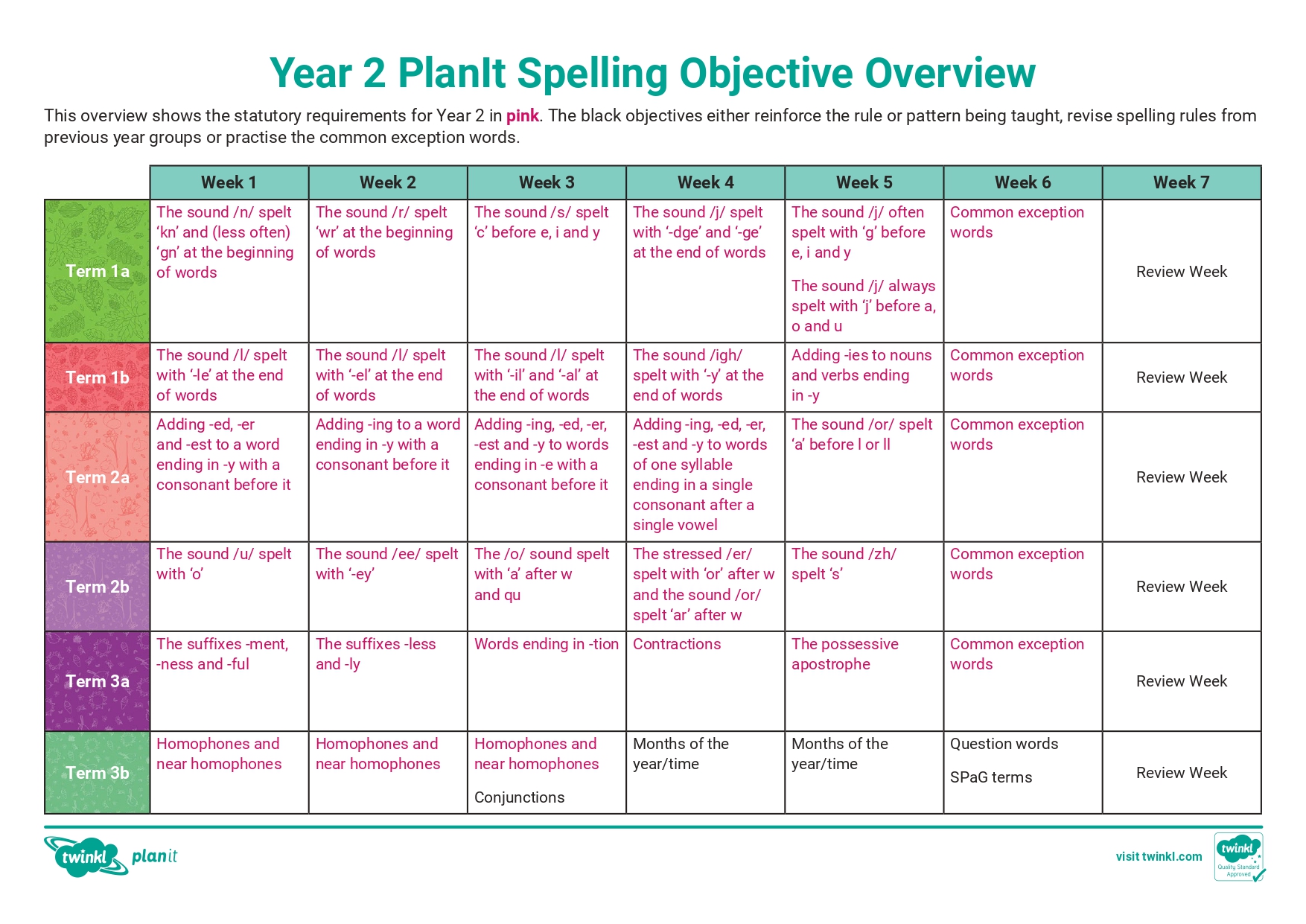
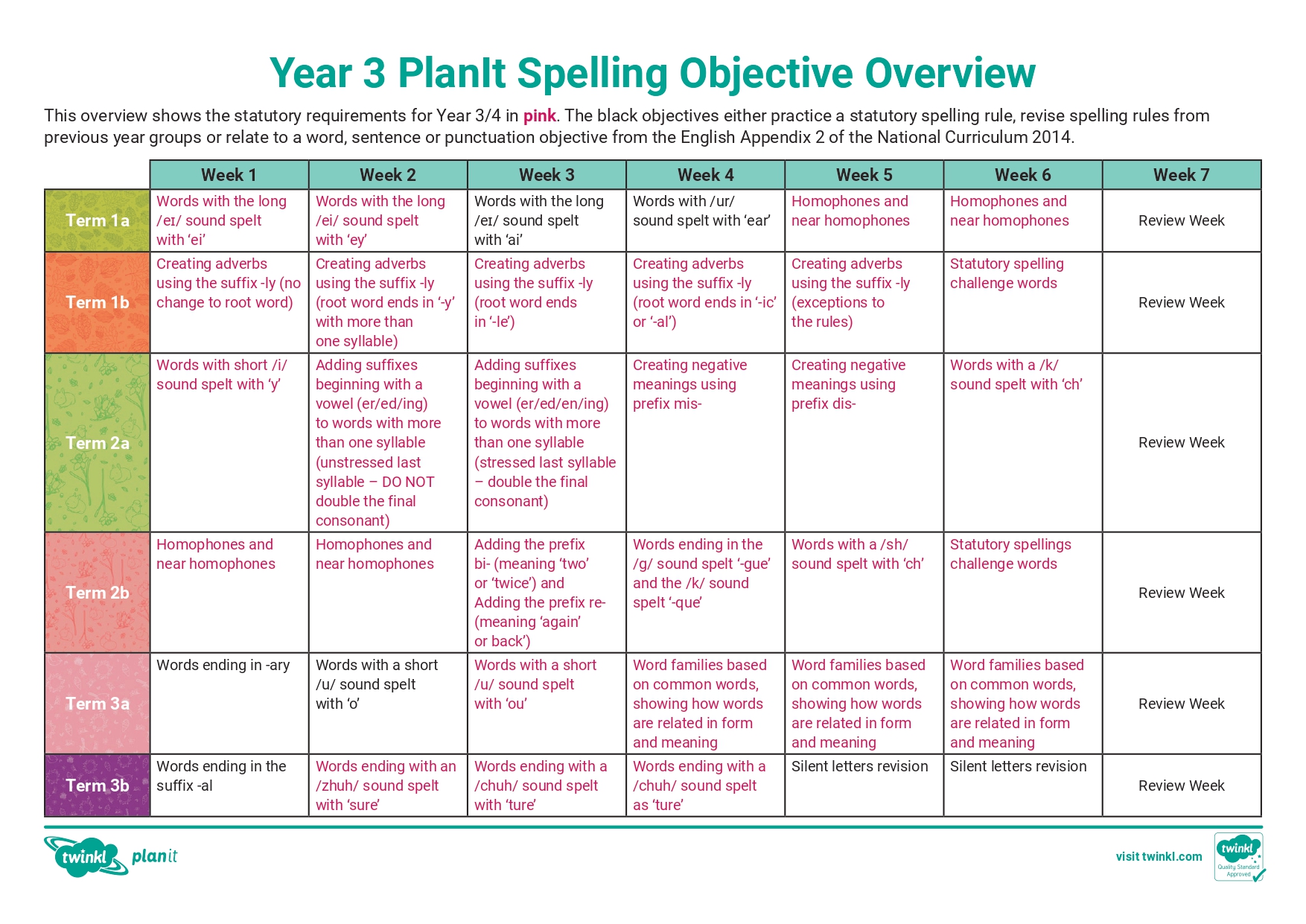
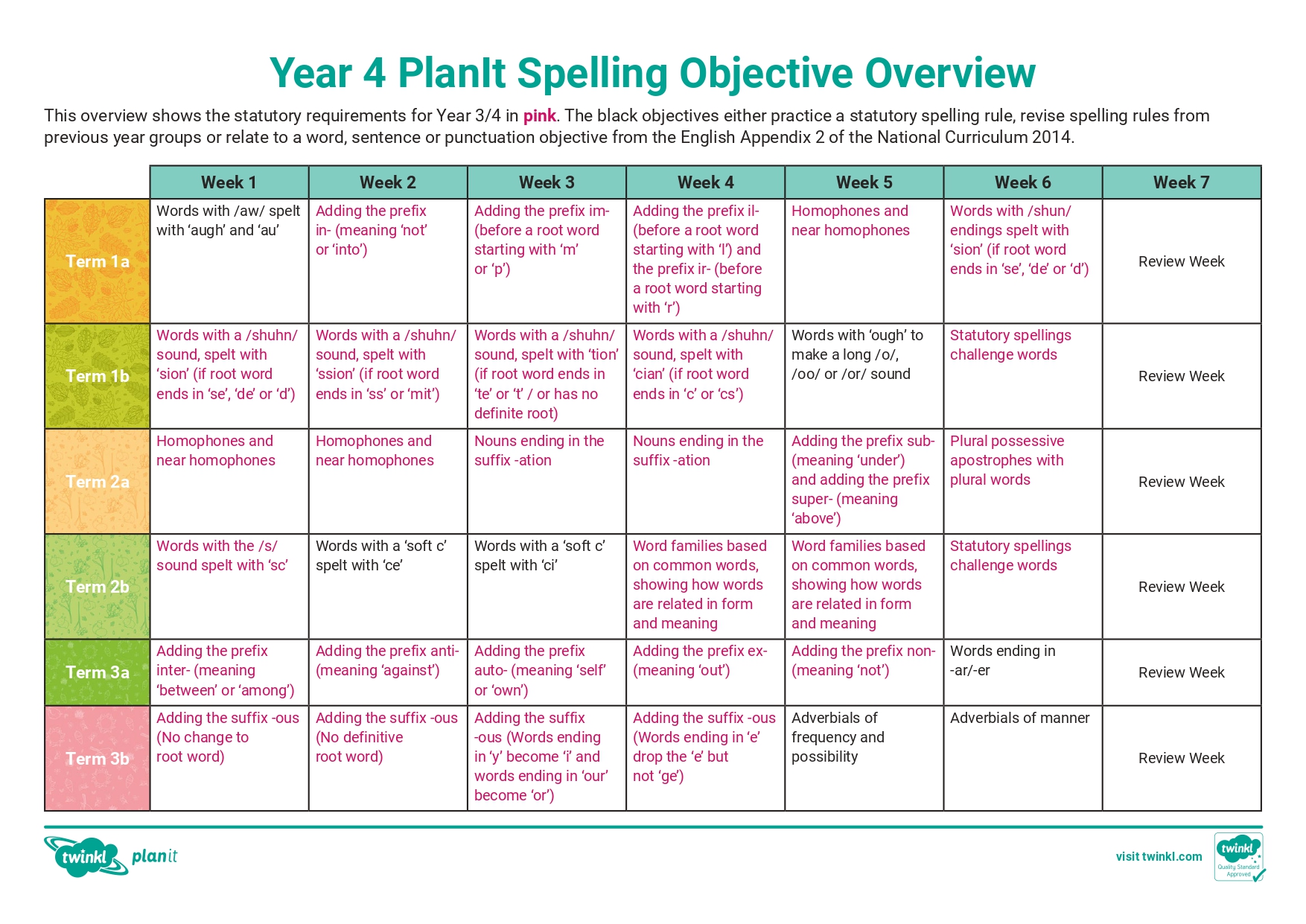
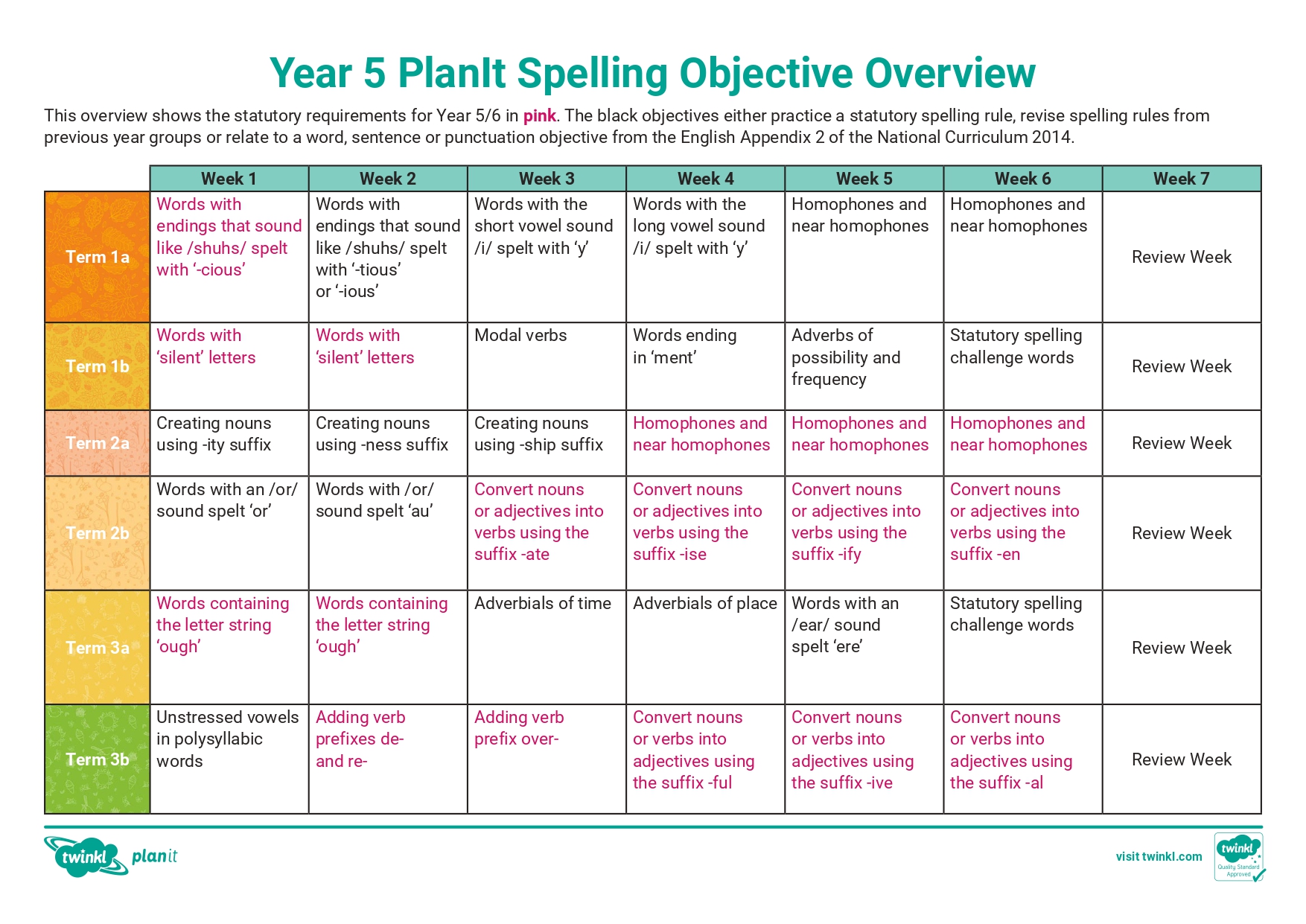
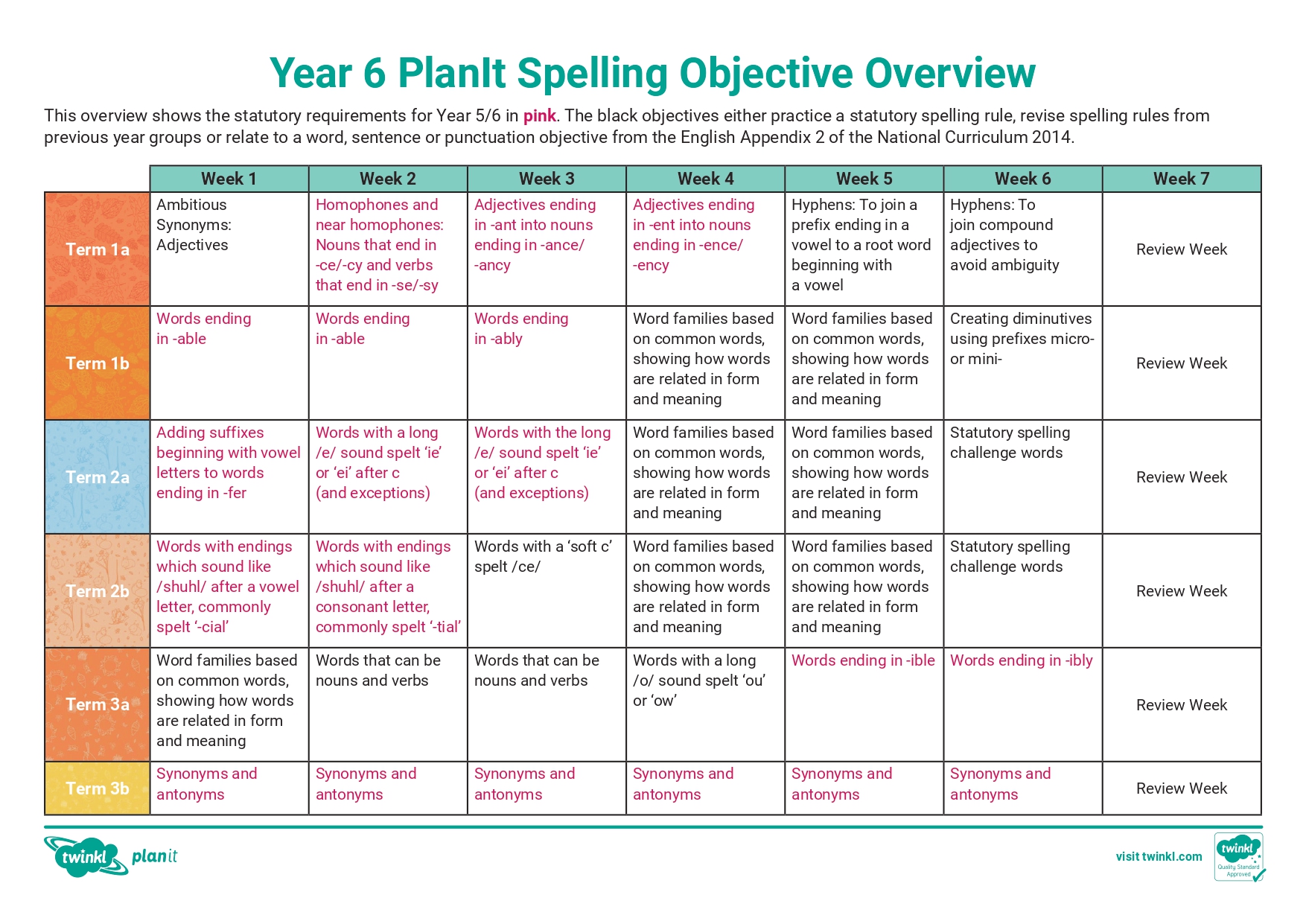
Our curriculum follows Twinkl Spelling Overviews, which provide explicit teaching of spelling patterns alongside statutory word lists. This ensures consistency, progression and full coverage of National Curriculum expectations.
IMPLEMENTATION
Our approach to spelling is systematic, explicit and embedded within regular weekly teaching. Lessons are structured to introduce, explore and apply spelling patterns through a range of engaging activities.
Curriculum Design
-
Long-term plans map out progression in spelling patterns, statutory word lists and morphological knowledge from Year 2 to Year 6.
-
Medium-term planning uses Twinkl Spelling Overviews to sequence weekly objectives and ensure cumulative learning.
-
Spelling is taught discretely in dedicated sessions and reinforced through writing across the curriculum.
Teaching & Learning Approach
-
Year 1: Spelling is taught through Floppy’s Phonics to secure phonological foundations and early spelling behaviours.
-
Year 2 and KS2: Spelling is taught using Twinkl Spelling Overviews, with explicit focus on patterns, morphology and etymology.
-
Teachers:
-
Deliver explicit instruction of spelling patterns, rules and exceptions.
-
Use multi-sensory strategies (oral rehearsal, visual prompts, word sorting) to strengthen retention.
-
Teach morphology (prefixes, suffixes, root words) and etymology to deepen understanding.
-
Provide scaffolded support such as word banks, spelling journals and targeted interventions.
-
Encourage proofreading and editing to promote independence and accuracy.
Assessment
-
GL Assessment is used to assess spelling knowledge and track progress across the school.
-
KS1: Assessment focuses on phonics application and common exception words.
-
KS2: Teacher Assessment Focuses (TAFs) and year-group specific objectives are used alongside statutory lists.
-
Common exception words and statutory spelling lists are assessed regularly throughout the year.
-
Writing moderation sessions validate application of spelling in context.
-
Formative assessment within lessons through observation, discussion and written outcomes.
-
Weekly spelling checks to monitor retention and application.
-
Children who present with spelling difficulties receive tailored intervention to address gaps and accelerate progress.
IMPACT
The impact of our Spelling curriculum is evident in pupils’ confidence, accuracy and independence in writing.
Pupils at Cullercoats Primary School:
-
Make strong progress from their starting points and achieve well in spelling at each key stage.
-
Demonstrate secure knowledge of spelling patterns, statutory word lists and morphological understanding.
-
Apply accurate spelling consistently across all written work.
-
Develop as confident, reflective learners who take pride in their written communication.
-
Leave Year 6 well-prepared for the spelling demands of secondary school.
Evidence of Impact
-
High-quality written work showing accurate spelling and application of taught patterns.
-
Consistent outcomes aligned with Local Authority moderation findings.
-
Improved independence in proofreading and editing across the curriculum.
Yearly Spelling Objectives
Skills Mapping Documents